
Training Management in Full Transformation
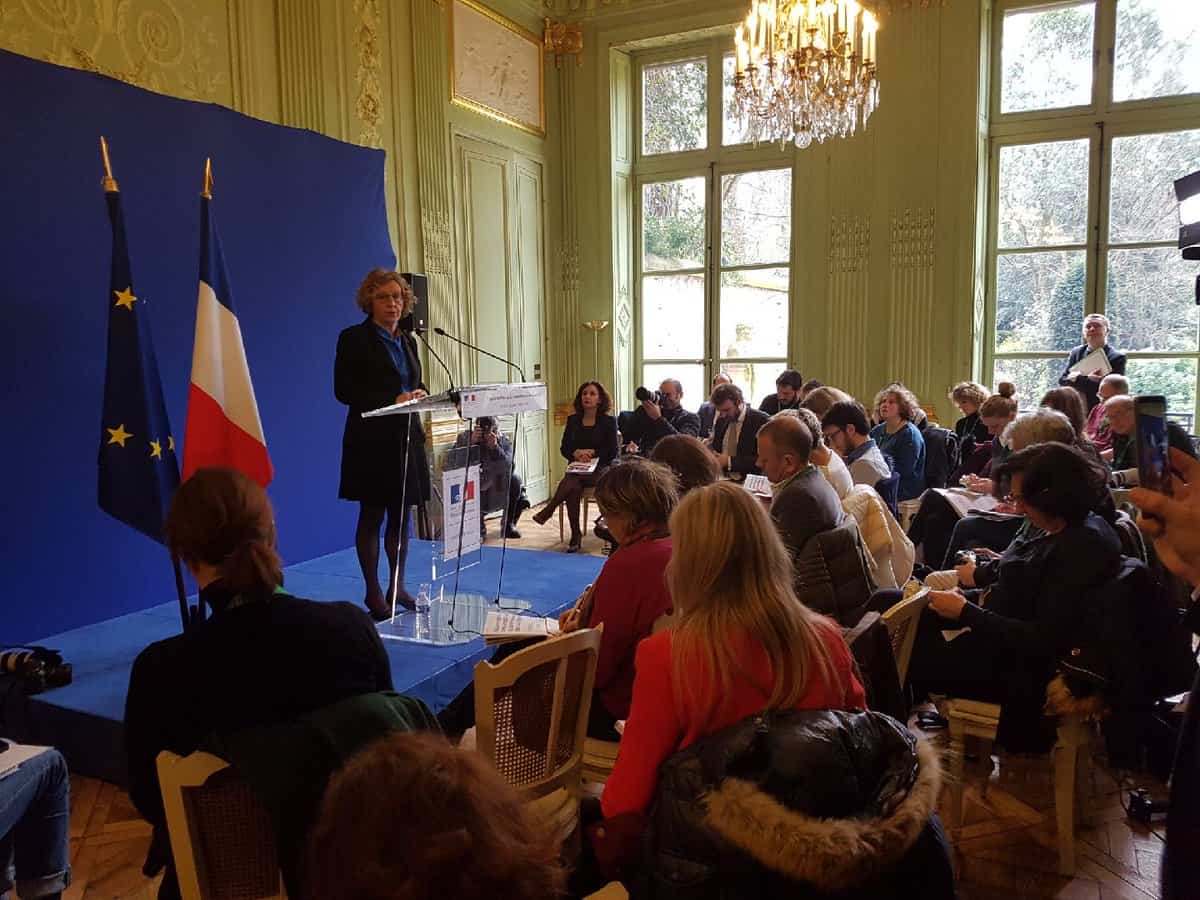
On March 5th, Muriel Pénicaud, Minister of Labor, announced a profound transformation of professional training, a transformation she hopes will be “useful and long-awaited“.
A CPF Denominated in Euros
Today, the “big bang” of professional training proposes the monetization of hours in the Personal Training Account (CPF), in order to make the system more concrete, readable and above all fairer. The CPF will now be funded in euros rather than hours. Active workers will accumulate up to €500 per year, capped at €5,000 over ten years. Less qualified workers will accumulate up to €800 per year, capped at €8,000 over ten years.
The Creation of a National Regulatory Agency
A national agency, France Compétences, will be created to bring together the functions of the Joint Fund for Career Path Security (FPSPP), the National Employment, Training and Professional Guidance Council (Cnefop), and the National Joint Interprofessional Committee for Employment and Professional Training (Copanef) into a single institution. Simplification will involve having URSSAF collect contributions, thereby reducing the administrative burden on companies. “The added value of joint organizations is not in collecting funds but in anticipating training needs and building training plans,” the Minister announced. These organizations will need to be a true “local service” for companies.
This reform also provides for greater freedom in pedagogical innovation. Completion of a MOOC will be recognized, and it will now be possible to train entirely online. Furthermore, training organizations will need to be certified by the National Agency France Compétences to work with public funds.
New Role for OPCAs
The Authorized Joint Collection Organizations (OPCAs) will no longer determine training coverage rates, nor will they collect contributions paid by companies. Their mission will now be to support companies and assist them in managing skills and employability of their employees. The role of OPCAs is therefore entirely transformed, making them Skills Operators.
This change in OPCA missions aims to open up access to professional training. Muriel Pénicaud wants individuals to choose and pay for their training themselves directly, through their CPF, which they will access via a mobile application.
Implementation Date of This Reform
This reform should be applicable after the reform bill passes through Parliament at the end of April, and after the final adjustments resulting from March negotiations.
Nevertheless, the implementation of this reform will be gradual, with Skills Operators required to be operational by September 1, 2018.
Discover our other training services and our locations.