

This article explores in detail the essential soft skills that propel teams toward sustainable and pragmatic performance. From emotion management to risk-taking, through empathy and critical thinking, discover how these human skills directly influence team productivity and cohesion.
Essential Soft Skills for Collaboration
Behavioral competencies, a crucial subset of soft skills, play a decisive role in building high-performing teams. They include the ability to manage emotions, work as a team, and communicate effectively.
Effective Communication
While we all know how to communicate, doing so effectively is a skill in itself, one that can be learned and developed.
It is this element of effectiveness that makes communication an essential soft skill for teamwork and professional development in general. Effective communication can be defined as an exchange process in which the message conveyed must be received and understood clearly, with a specific purpose.
Communicating effectively is not just about presenting your ideas, thoughts, or opinions clearly and conveying them persuasively. An effective communicator must also know how to listen to others, ask questions, and be curious about their interlocutor. Communication also involves body language, gestures, and tone of voice, which must be cultivated. Effective communication is intrinsically linked to interpersonal skills, as it involves not only transmitting information but also establishing and maintaining positive relationships with other team members.
Team Spirit and Cooperation
The ability to collaborate effectively with others and work as a team is the natural next step after developing communication skills. As we have seen, an effective communicator must also have developed listening skills, and it is these skills that enable productive teamwork.
Team spirit is not simply about working with colleagues or participating in group projects. It involves a deep understanding of group dynamics, mastery of effective communication, and the ability to collaborate and work with varied personalities. Team spirit is the cornerstone of teamwork, a fundamental aspect of soft skills that facilitates collaboration and idea-sharing within organizations.
Adaptability and Flexibility
Adaptability is a crucial soft skill for team effectiveness, as it enables successful navigation in a constantly evolving environment. Individuals capable of quickly adjusting to changes, solving problems flexibly, and embracing new ideas foster collaborative dynamics.
Adaptability enables positive responsiveness to challenges, thereby strengthening team resilience. Adaptability and flexibility are the keys to maintaining performance in changing conditions, but also to continuing to stimulate innovation and ensure cohesion that transcends obstacles.
Problem-Solving
Problem-solving is a soft skill that enables a team to overcome obstacles efficiently. Individuals with this competency demonstrate an aptitude for analyzing, conceptualizing, and developing innovative solutions.
A team skilled in problem-solving is better equipped to anticipate and respond to complex challenges, thereby fostering increased productivity and performance.
Solution-oriented, this soft skill also cultivates a proactive mindset, encouraging collaboration and strengthening trust within the team.
Leadership and Soft Skills

A good manager must possess certain soft skills specific to their role and know how to work with the unique characteristics of their team members, including their soft skills. To foster performance, it is imperative to train managers, particularly on the soft skills we will detail below.
Team Management
A manager does not necessarily need to possess all the skills of the people they manage to create a high-performing team. For example, CFOs sometimes manage IT teams, yet finance directors do not possess specific skills related to software development.
However, in this scenario, the manager can still build a high-performing team as long as they understand how to develop their team, encourage them, listen to them, and identify ways to advance the team’s skills.
Thus, this team management soft skill involves developing leadership, which has an innate component but can also be cultivated.
Decision-Making
Decision-making, and confidence in decision-making, are key competencies for managers and good leaders. The manager must show assurance when making a decision that will impact the next stages of a project and provide direction to their team.
Sometimes it is necessary to make informed decisions without having all the cards in hand or from incomplete information. This skill can be developed, particularly by learning to formulate problems rather than trying at all costs to solve them. This method, based on scientific experimentation, allows potential solutions to emerge and to weigh the advantages and disadvantages of each in order to then make a more assured decision.
Of course, in decision-making there can be an element of intuition; the manager must know how to trust it without, however, putting it in the foreground.
Motivation and Inspiration
The ability to motivate and inspire fuels the enthusiasm and engagement of a team. Individuals with this competency have the power to infuse positive energy, boosting productivity and strengthening team morale. By cultivating a motivating environment, these members foster collaboration and encourage their peers to push beyond their limits.
The ability to motivate and inspire helps transcend challenges and nurture collective perseverance.
This is a soft skill that leaders within the team must absolutely possess, catalyzing intrinsic motivation and propelling the group toward achieving its objectives with energy.
Conflict Management
The ability to manage and resolve conflicts is crucial for maintaining a positive work environment, enabling the team to overcome disagreements and progress toward its common goals. Conflict management is thus an essential competency for a high-performing team due to its impact on collaboration and cohesion. Individuals competent in this soft skill demonstrate an aptitude for identifying, understanding, and resolving tensions constructively.
A team benefiting from effective conflict management operates in a healthy work climate, preventing misunderstandings and preserving interpersonal relationships.
With a seasoned leader at the helm, this competency also encourages open dialogue, thereby strengthening trust within the group.
Soft Skills That Foster Innovation
Critical Thinking and Creativity
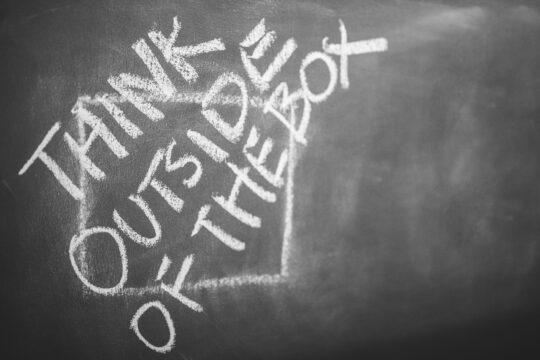
Critical thinking and creativity cultivate a capacity to solve problems in innovative ways. Individuals competent in these areas demonstrate an ability to rigorously analyze situations, question established norms, and generate original ideas.
From a team perspective, critical thinking promotes informed decision-making, while creativity fuels innovation. Together, these skills strengthen the team’s ability to adapt to changes and find ingenious solutions.
Without a doubt, in our fast-changing world, these skills are more necessary than ever for team performance.
Curiosity and Open-Mindedness
Open-mindedness and curiosity foster continuous learning and innovation. Individuals with these skills demonstrate a willingness to explore new ideas, understand varied perspectives, and embrace diversity. Within a team, open-mindedness encourages an inclusive environment where everyone feels valued, thereby fostering fruitful collaboration. Curiosity fuels the search for innovative solutions, stimulating collective creativity.
Together, these skills energize the team’s ability to adapt, learn new methods, and stay at the forefront of their field.
Learning Ability
Learning how to learn is itself a skill! The propensity to rapidly assimilate new information, master new competencies, and adjust to the constant changes of today’s world is now a highly sought-after skill.
Within a team, this ability fosters a culture of continuous learning where members constantly share and assimilate knowledge. Learning ability enables the team to stay relevant by fostering innovation and strengthening collective resilience.
Useful indeed, this soft skill is the key to a dynamic team, constantly ready to take on new challenges with a proactive attitude.
Calculated Risk-Taking
Calculated risk-taking is an aptitude for judiciously evaluating opportunities and embracing bold initiatives. Within a team, risk-taking creates an environment conducive to experimentation and creativity, paving the way for innovative solutions.
Key takeaway: This soft skill strengthens the team’s ability to evolve in changing contexts.
Emotional Intelligence at the Service of the Team
Emotional intelligence, which includes the ability to understand and manage one’s own emotions and those of others, is a manifestation of essential human qualities in a professional environment, particularly in stressful and conflict situations.

Emotional Intelligence
Emotional intelligence refers to a person’s ability to recognize, understand, and effectively manage their own emotions, as well as those of others. It also encompasses the competency to use this emotional knowledge to guide thoughts and actions, thereby fostering positive interpersonal relationships and informed decision-making.
In the workplace, emotional intelligence has become a crucial soft skill, sought by 75% of recruiters. The complexity of professional interactions, teamwork, and the pressures of a constantly evolving environment underscore the importance of this competency. Individuals with developed emotional intelligence are better equipped to manage stress, resolve conflicts constructively, and communicate empathetically.
For managers, emotional intelligence proves essential for inspiring and motivating teams, building relationships of trust, and navigating organizational challenges successfully.
Empathy and Understanding
Empathy and understanding are capabilities that strengthen interpersonal relationships and foster a collaborative environment. Empathetic individuals demonstrate sensitivity to others’ emotions and perspectives, facilitating communication and conflict resolution.
Within the team, empathy and understanding cultivate a climate of trust, encouraging cooperation and solidarity. These soft skills are essential for managing diversity within the group, fostering a sense of inclusion.
Emotion Management
Emotion management within a team has a direct impact on collective well-being and productivity. Individuals who know how to manage their emotions demonstrate an ability to recognize, understand, and channel them constructively.
For the team, it is essential that members can express their feelings in a healthy manner, thereby facilitating communication and problem-solving. This soft skill helps maintain a positive work climate and a collaborative atmosphere.
Interpersonal Relationships
Interpersonal relationships have a direct impact on the quality of collaboration and team cohesion. It is about knowing how to establish and maintain positive relationships with peers. Within the team, strong interpersonal relationships foster a climate of trust, facilitating communication and problem-solving. This soft skill is essential for a harmonious work environment where members feel valued and supported. Strong interpersonal relationships also contribute to reinforcing collective motivation, thereby fostering the achievement of common goals.
Constructive Collaboration or Growth Mindset
This soft skill is truly a mindset, a way of thinking oriented toward growth. It is important because, if this mindset is instilled within the team, the work dynamic is boosted as a result. It enables individuals to experiment, encourages innovation, facilitates feedback sharing, and strengthens each person’s ability to contribute to collective success. Managers are on the front line for spreading this growth and collaboration mindset to ensure their team’s performance.
Conclusion
As you will have understood: building a high-performing team no longer depends solely on the technical skills and past experiences of its members. It is now necessary to count among your teams individuals possessing soft skills and varied, complementary profiles. Some recruiters have even made this a focal point, seeking not just competencies but personalities that complement those of the team in which the candidate will work.
Investing in soft skills often translates into a significant improvement in working conditions and overall company performance. Indeed, employees appreciate when the company seeks to help them grow and invests in their interpersonal skills. This fosters a collaborative, respectful climate with employees who feel heard and valued, and who therefore invest more fully in their assignments.