
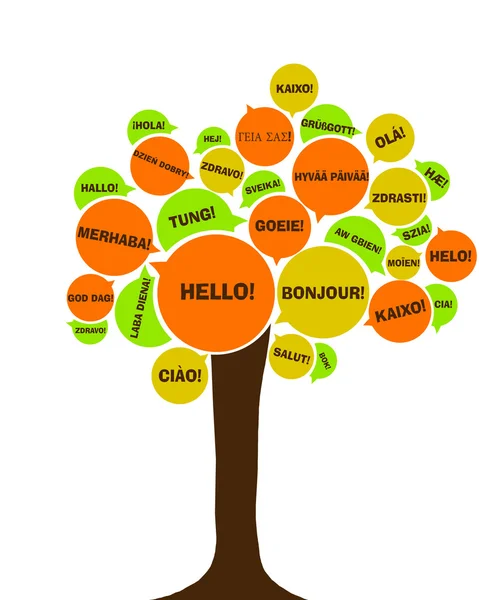
Managing a multicultural team: what you need to know
Definition of intercultural management
Intercultural management is an interdisciplinary field of HR that aims to facilitate communication, management, and interaction between companies, particularly between employees from different cultural backgrounds. In an increasingly globalized world, intercultural management is becoming essential for companies operating internationally or with diverse teams.
Why is managing multicultural teams important?
For the past few years, managing a multicultural team has become a common situation. Cultural diversity within a team is an enormous asset! However, between disagreements and different ways of working, managing these differences can be challenging.
A multicultural team brings:
- Different perspectives: different cultural backgrounds bring different viewpoints
- Creativity and innovation: diversity of thought leads to more creative solutions
- Broader market understanding: better understanding of global and local markets
- Language skills: access to multiple languages and markets
Challenges of multicultural team management
1. Communication barriers
Different languages and communication styles can create misunderstandings. What is considered direct in one culture may be considered rude in another.
2. Different work styles
Different cultures have different approaches to work: hierarchy, decision-making, time management, and collaboration vary significantly.
3. Stereotypes and prejudices
Unconsious biases and stereotypes can affect relationships and decision-making.
4. Different expectations
Employees from different cultures may have different expectations regarding career development, work-life balance, and recognition.
5. Team cohesion
Building a cohesive team across cultural boundaries requires effort and intentional inclusion.
Benefits and drawbacks of intercultural management
Advantages:
- Increased innovation through diverse perspectives
- Better market understanding and competitiveness
- Richer team dynamics and learning opportunities
- Enhanced problem-solving through different approaches
- Global perspective and adaptability
Drawbacks:
- Communication challenges and misunderstandings
- Initial integration difficulties
- Time needed for team building
- Potential for conflict if not managed well
- Need for cultural awareness training
Best practices for good intercultural management
- Develop cultural awareness and sensitivity among all team members
- Create clear communication channels and practices
- Establish explicit team norms and expectations
- Celebrate diversity and promote inclusion
- Provide cultural training and coaching
- Be aware of different communication styles and adapt accordingly
- Create opportunities for team bonding and mutual understanding
- Address conflicts promptly and sensitively
- Lead by example, showing respect for all cultures
- Regularly review team dynamics and adjust approaches as needed
Conclusion
Managing a multicultural team requires specific skills and awareness. When managed well, the diversity of a multicultural team becomes a major strength, leading to innovation, better decision-making, and improved business results. Managers who embrace this diversity and create an inclusive environment will be better positioned for success in our globalized world.